
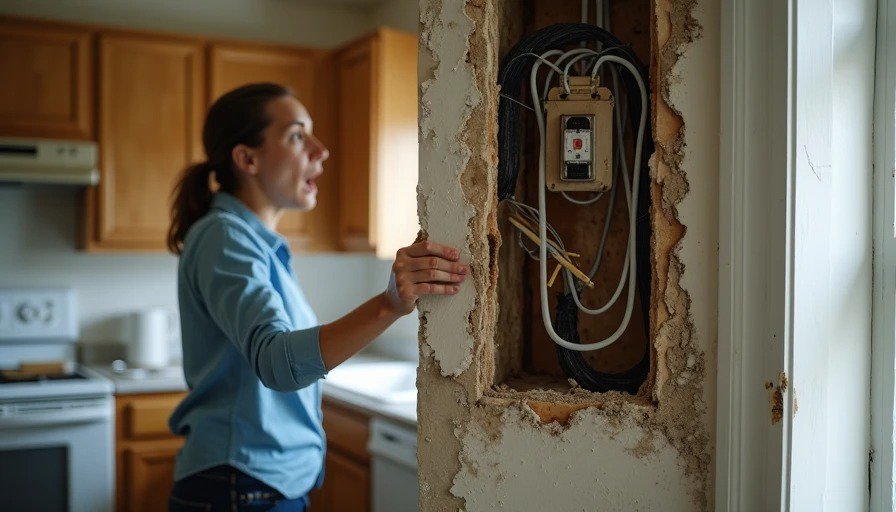
I was excited to open up the kitchen for a refresh. New cabinets, counters, the works. First step was pulling some drywall to run new outlets and see the condition. What I found behind the wall still gives me chills. Old knob-and-tube wiring from probably the 1950s or earlier, twisted together with newer Romex, held by nothing but black electrical tape. No junction box. Exposed connections just sitting in the wall cavity with fiberglass insulation piled around. One spark or overload and who knows. Previous owners clearly cut corners big time. Ended up calling a licensed electrician who charged $250 to make it right. This is the kind of hidden crap that makes renos expensive and scary.
How I Discovered It
The wall in question was a non-load-bearing partition between the kitchen and dining area. I had the drywall down to reroute some circuits for the new layout. As soon as the panel came off, I saw the mess. Knob-and-tube — those old cloth-wrapped wires on ceramic insulators — running alongside and spliced directly into modern plastic Romex. The splice was just twisted wires wrapped in tape. No box, no wire nuts even, nothing code-compliant.
I immediately stopped work, killed the breaker, and started researching what I was looking at. Turns out knob-and-tube is ungrounded and can be a fire hazard, especially when mixed improperly with newer wiring.
Why This Is So Dangerous
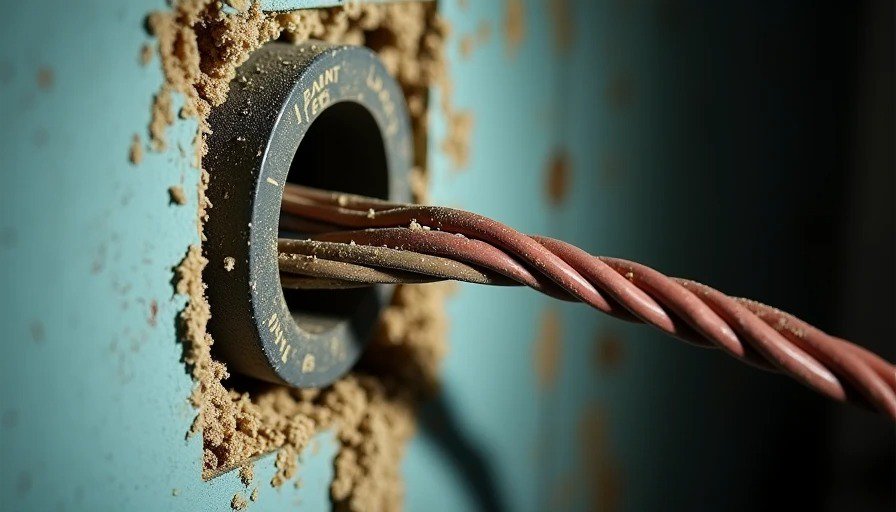
Knob-and-tube wiring was common pre-1950s. It’s not grounded, has poor insulation that gets brittle with age, and can overheat. Splicing it to Romex without proper methods violates every code I’ve read. No junction box means connections can pull apart, arc, or ignite insulation. Electrical tape alone is not a permanent fix — it degrades.
In a kitchen with high amp draws from appliances, this was a ticking time bomb. I’m glad I found it during reno instead of after a fire or shock incident.
The Fix and What It Cost
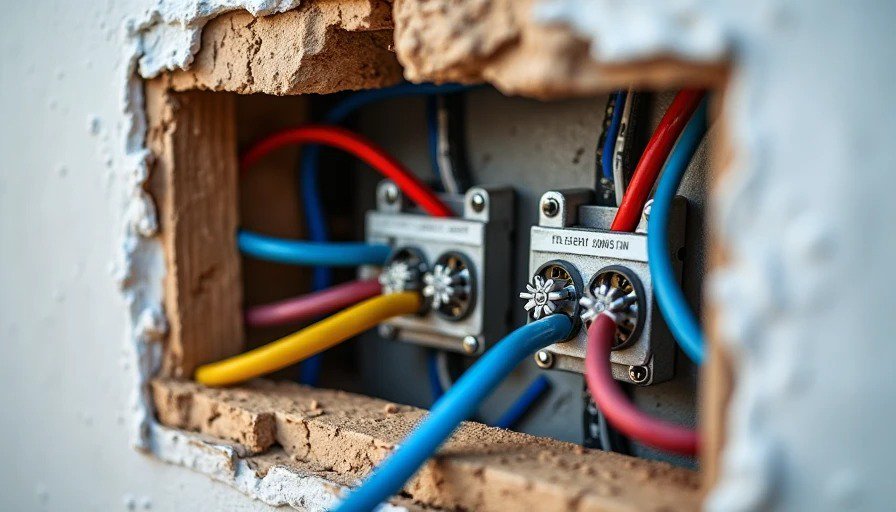
Called a recommended electrician the same day. He inspected, pulled the bad splice, installed a proper metal junction box, used correct wire nuts and connectors, and ran short new Romex segments where needed. Took him a couple hours. Charged $250 including materials. Fair price for peace of mind. He checked the rest of the exposed areas and gave the all-clear but recommended a full inspection if we do more work.
Total project delay: one day. But way better than dealing with insurance after an issue.
Lessons from This Scare
Assume Nothing in Older Homes: Even if the panel looks updated, wiring behind walls can be Frankenstein’d.
Open Walls Carefully: During any reno, expect surprises.
Hire Pros for Electrical: I’m handy but not touching this stuff. The $250 was cheap insurance.
Document Everything: Took tons of photos before and after for records.
Budget for Hidden Fixes: Factor 10-20% extra for surprises in older houses.
If you’re buying or renovating a home built before 1970, get an electrical inspection early. It’s worth the few hundred bucks.
Broader Context on Old Wiring Traps
Knob-and-tube still exists in many Midwest homes. Insurance companies sometimes flag it. Mixing with modern wiring without proper transitions is common DIY fail. Aluminum wiring is another nightmare, but this was classic copper knob-and-tube.
I’ve since found other minor issues but nothing this bad. The kitchen looks great now and feels safer.
What About You?
Anyone else open a wall and regret it? What scary wiring have you found — knob-and-tube, aluminum, buried junctions? How much did the fix run and was it during a bigger project? Share your stories from Columbus or similar areas. What should I watch for next in my house? This kind of trap is exactly why we need real homeowner experiences here.