
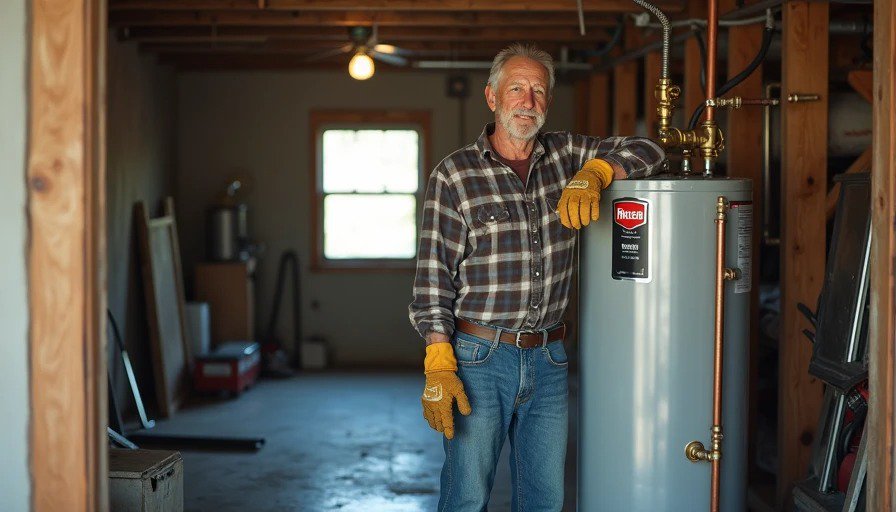
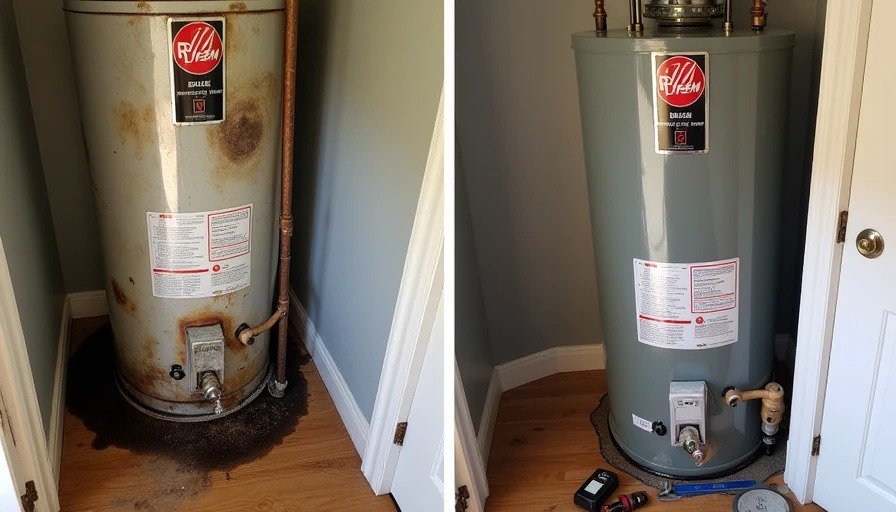
Back in early June the old water heater started acting up. I'd been ignoring the slow drip for weeks but one morning I went down to the basement and there was a nice puddle spreading across the concrete. Classic. That thing was probably 15-18 years old, original to the house I bet. Time to replace it.
I did what most guys do — hit up Google, Reddit, and called a couple local plumbers for quotes. The quotes came in at $1,200, $1,450, and one clown wanted $1,800. All for a basic 40-gallon gas unit. No way. I know these things aren't rocket science, especially when you've got a handy buddy in the trades.
Shopping the Unit – What I Actually Paid
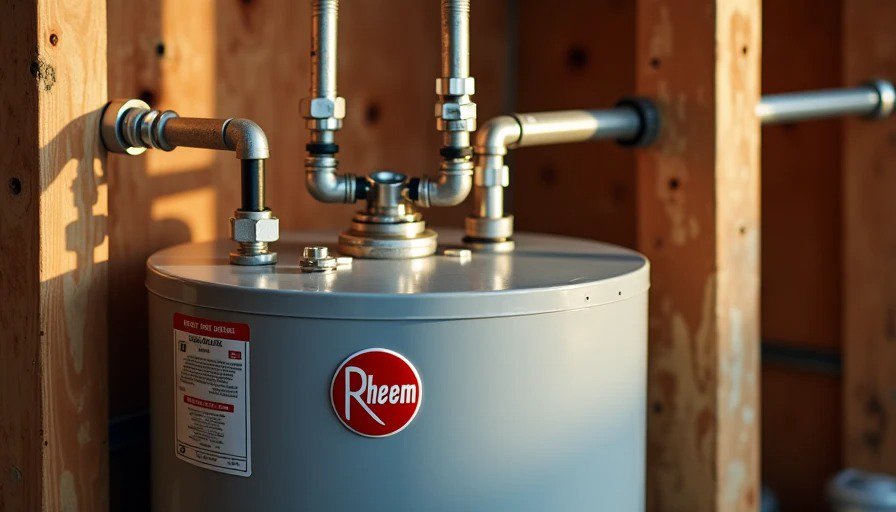
I headed straight to Home Depot on a weekday afternoon when it wasn't packed. They had the Rheem Performance 40 Gallon Tall 36,000 BTU Natural Gas Water Heater (model something like XG40T06EC36U1) on the floor. Sticker price was around $680 or so, but I had a 10% off coupon from their app plus some manufacturer rebate talk. Walked out at $628 after tax. Not bad for a solid 6-year warranty unit.
I looked at electric options too but stuck with gas because my setup already had the gas line and vent. Tankless sounded tempting for endless hot water but those run $1,000+ just for the unit plus bigger install headaches. For a family of four in a 3-bed ranch, the 40-gal tank is plenty.
Quick Comparison Table of Options I Considered:
Basic Gas Tank (like this Rheem): Unit $500-700, Install $150-400, Total ~$700-1,100
High-Efficiency Gas: Unit $800-1,200, Install $300-600, Total ~$1,200-1,800
Electric Tank: Cheaper unit but higher running costs where I live
Tankless: Unit $1,000+, Install $500-1,500+, Total often over $2k
Prices fluctuate but this matches what I saw in June 2026.
Hiring Help vs Full DIY
I could have done the whole swap myself. Plenty of YouTube videos walk you through shutting off gas/water, draining the old tank, swapping fittings. But I'm not trying to burn the house down or deal with city inspectors if something goes sideways. Called my buddy Mike — he's a part-time plumber. He charged me $200 cash for the labor, hauling the old tank, and making sure everything was code. Took him about 2.5 hours.
Total out the door: $828.
Compared to the professional quotes, I saved over $400 easy. Even the low quote was $1,200 which probably included their markup on the unit.
What the Install Looked Like Step by Step
Mike showed up with his truck. First thing: shut off the main water and gas. Drained the old tank into the floor drain — nasty rusty water. Cut the copper lines and vent pipe carefully. The old AO Smith was heavy as hell once empty. We muscled it out.
New Rheem slid in easy. Connected the cold/hot lines, gas flex, T&P relief valve with proper discharge pipe, and vent. Checked for leaks with soapy water on joints. Fired it up, let it fill, and adjusted the temp to 120°F. Whole thing was straightforward but you really want someone who knows the local codes for gas and venting. One wrong move and you're looking at carbon monoxide risks or failed inspections.
Key Lessons from This Job:
Always replace the shutoff valve if it's old — mine was sticky.
Get a drip pan and expansion tank if your area requires it.
Flush the new unit after a week to clear sediment.
Keep the paperwork for warranty and future resale.
Long-Term Costs and Maintenance
These units last 8-15 years depending on water quality. Hard water where I am means annual flushing helps. Energy costs: this Rheem is pretty standard efficiency. I expect $20-30/month in gas for hot water. Better than the old leaking one that was probably wasting energy.
If you're in Columbus OH or similar Midwest spot, factor in winter install challenges — frozen lines, etc. But summer like I did was perfect.
Common Pitfalls I Avoided (and Ones I Saw Online)
Lots of forum horror stories about plumbers upselling to tankless or adding unnecessary stuff. Or homeowners buying cheap no-name brands that fail in 3 years. Glacier Bay type stuff — stay away for big appliances. Rheem, AO Smith, GE are the ones with actual service.
Also, permits: in my area for a straight swap it wasn't required but check yours. Some cities want it if you touch gas lines.
I read stories of full system replacements hitting $5k+ when the whole HVAC is involved, but isolated water heater? No excuse for over $1k unless it's a nightmare location.
Was It Worth It? My Take
Absolutely. Hot water is back, no more cold showers mid-morning. Basement dried up, no mold worries. Total cost under a grand feels like a win. Next time I might try full DIY if it's simple, but for gas work I'm glad I had help.
Anyone else swap one recently? What did you pay in your area? Electric vs gas? Did you go tankless? Drop your numbers below — this forum is all about real receipts, not guesses. Did I overpay at $828 or nail it?